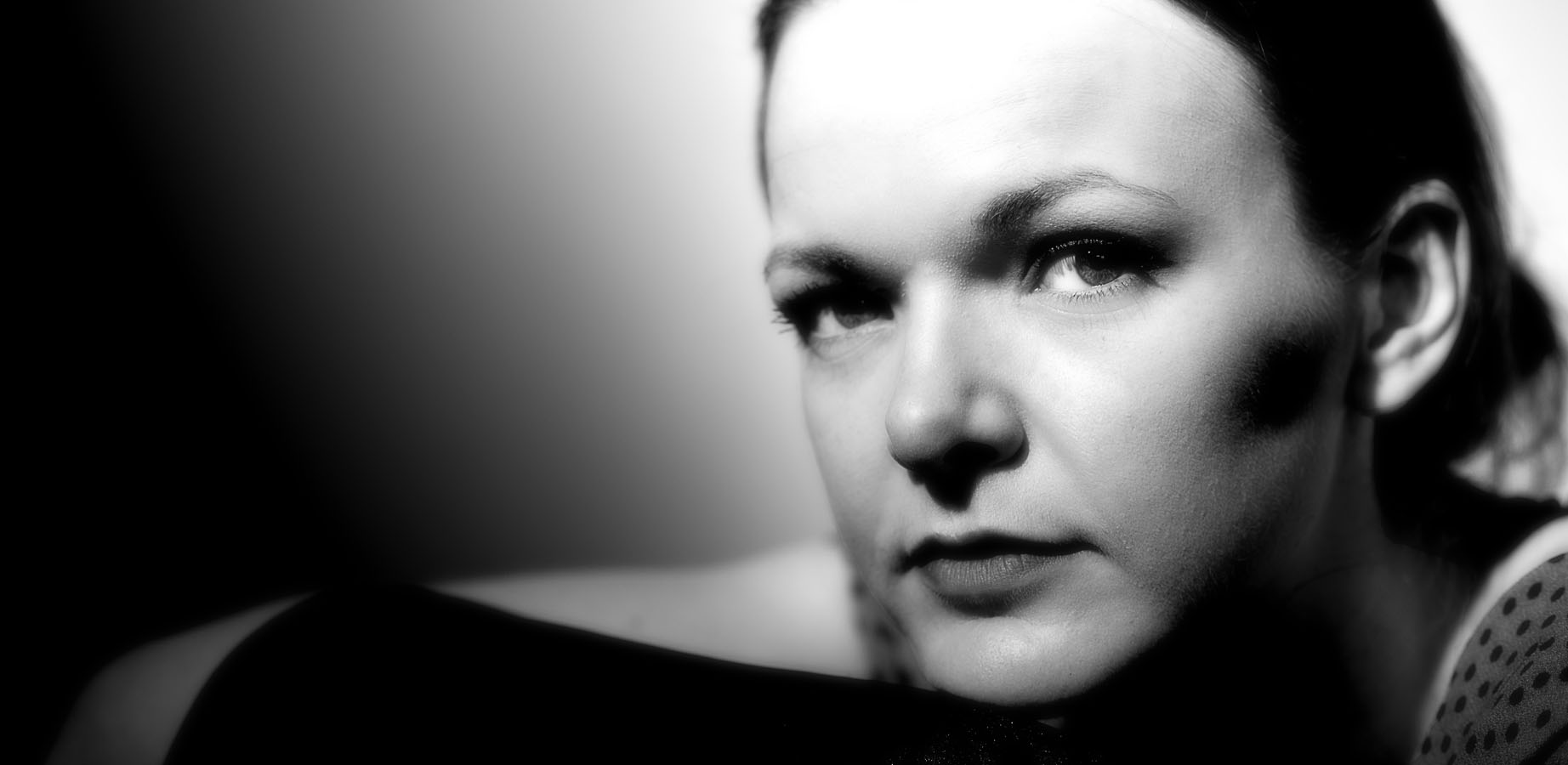
Recreating the Classic Hollywood style
During Hollywood's heyday, from 1920 to 1940, the traditional Hollywood style was in use. For reference, view the portraits of performers such as Audrey Hepburn, Gregory Peck, Cary Grant, and Marlene Dietrich. These pictures were frequently taken on the sets during breaks.
Photographers did not have strobe lighting; they used those present in the studio and on set. These lights had fresnel lenses, like those used on lighthouses or theatres. This gave the photographs their distinctive look. Portrait artists refer to this type of lighting as beauty or butterfly lighting (because of the butterfly-shaped shadow created under the subject's nose when you have got it right). The light is from above and directed down the line of the nose. The shadows can also be pronounced (distinct lines between light and dark). They did not have reflectors.
The classic Hollywood style of portrait photography is one of my favourite styles of portraiture. In this blog, we will see what the characteristics are and how to reproduce them. I showed the title photograph (above) to the photographer who taught me how to take them. His response was, “Oh, I like that!” I was very pleased. It was based on a photograph I had seen of Audrey Hepburn.
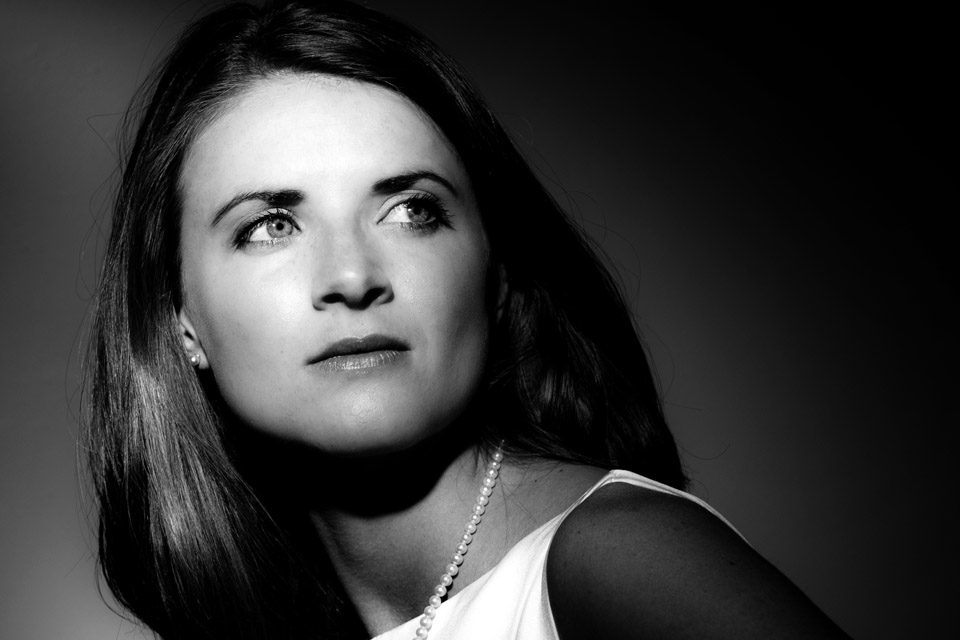
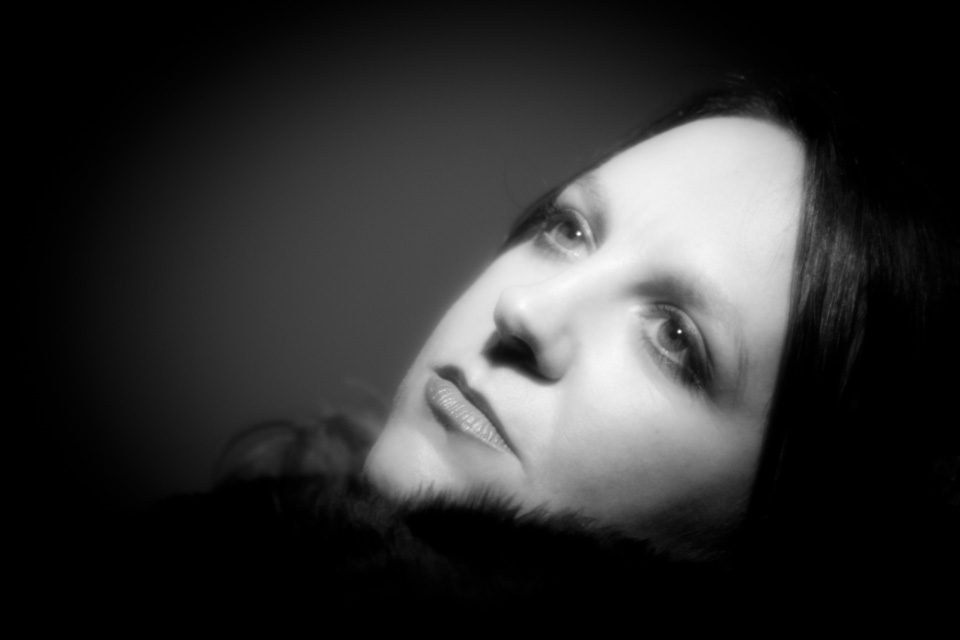
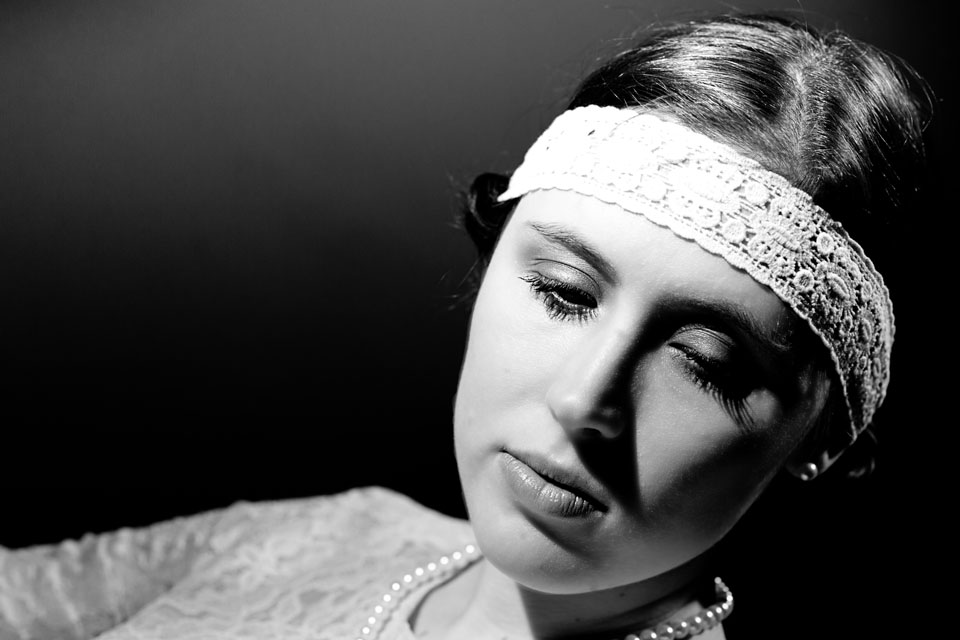
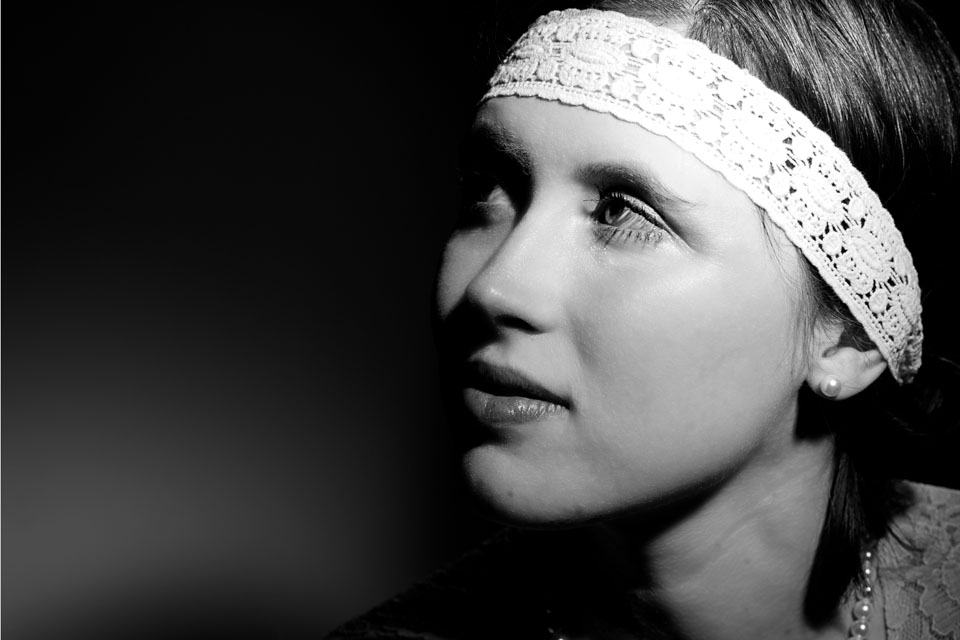
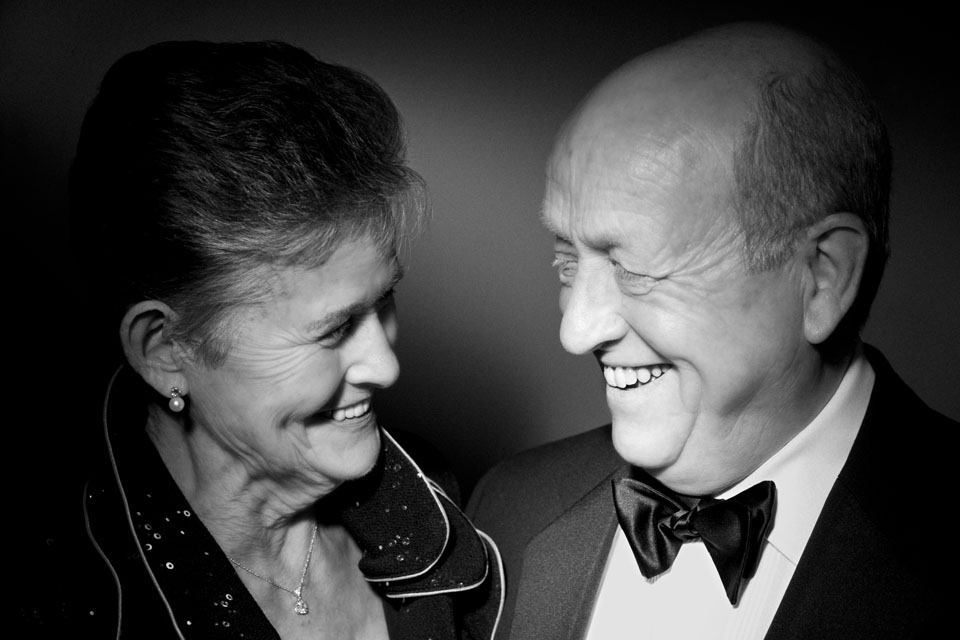
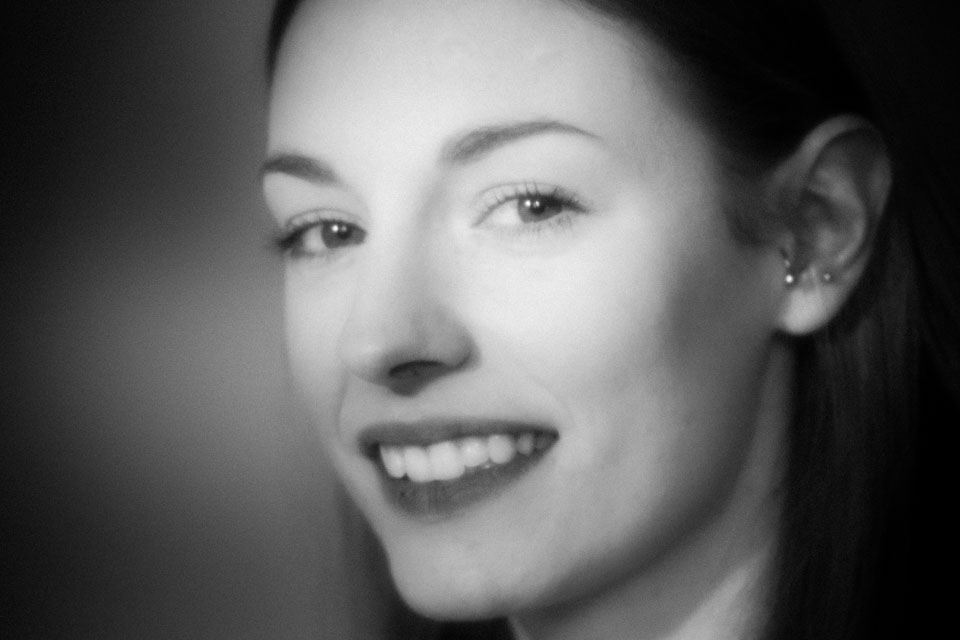
Most of the classic Hollywood-style photographs are black and white. It was not until a few years later that colour film became available. The lenses were not as high quality (sharp) as they are today. This created a glow around them. Hence why portraits had a slight ethereal look to them. This gave the movie stars an otherworldly look about them. To achieve this today, you can add a slight blur in post-production, or a “black mist” filter can be used to create it at the time of shooting.
How they posed was important. As already mentioned, the actors of the day had an otherworldly look about them. They were glamorous and above other mere mortals. In many of the photographs, they are not making eye contact with the camera. They are looking off into the distance and looking aloof. They did not show their teeth if they were misaligned. There are some portraits where they are smiling, but this is rare.
Their skin was often overexposed to hide any blemishes. The background was also lit with a slash or pool of light from another Fresnel light. As you may have guessed, to reproduce the classic Hollywood look, at least two Fresnel lights will be required. Modifiers do exist for strobes, but constant lighting is what was used at the time. You can by these types of light. By LED ones because the tungsten ones become very hot within minutes. Be careful when handling them.
If you like this style, have a go yourself. Breaking some of the rules if that is what your client wants or just to see how well it works.